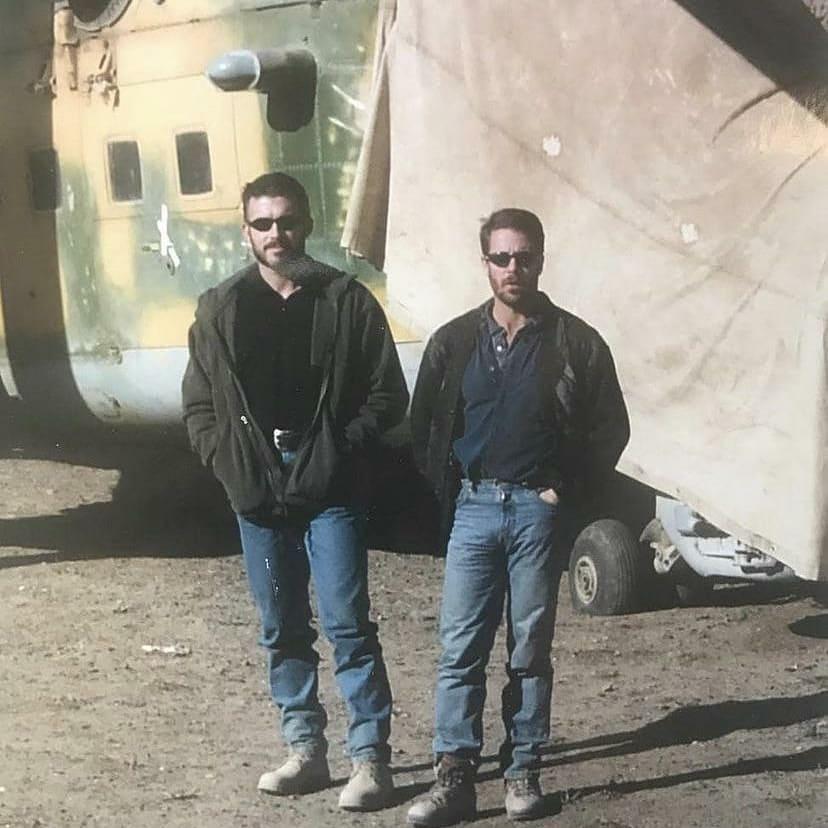
Born on May 15, 1961, in Honolulu, Hawaii, to an active-duty military service member, Miller’s early childhood was defined by frequent relocations across various states, including Virginia, before a formative period in California.
In the late 1970s, an appointment was secured to the United States Military Academy at West Point. The academy years balanced rigorous academic and physical demands with a passion for athletics, including dedicated play on the West Point soccer team. A competitive edge was remembered by former classmates, famously highlighted by a victory against rival Navy in the final collegiate game. Graduation in 1983 as an infantry officer set the stage for a legendary career in special operations.
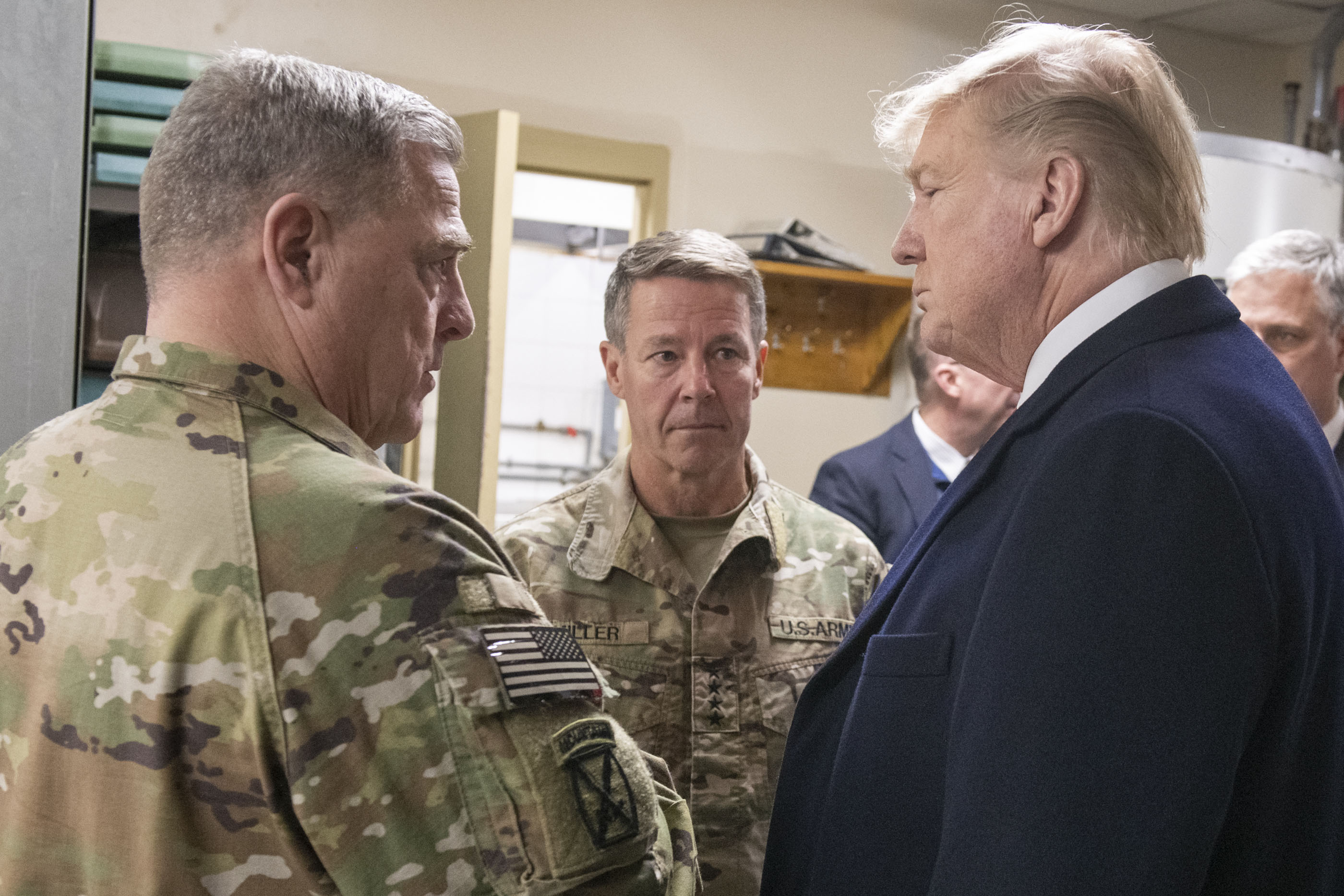
The Miller children grew up inside the tight-knit, secretive subculture of the Joint Special Operations Command (JSOC) community. This upbringing inspired a strong tradition of service: one son became an infantry officer in the U.S. Army, graduating from West Point. A unique family dynamic emerged; while commanding all international forces in Afghanistan, that same son was a young officer eligible for deployment to the very same combat zone.
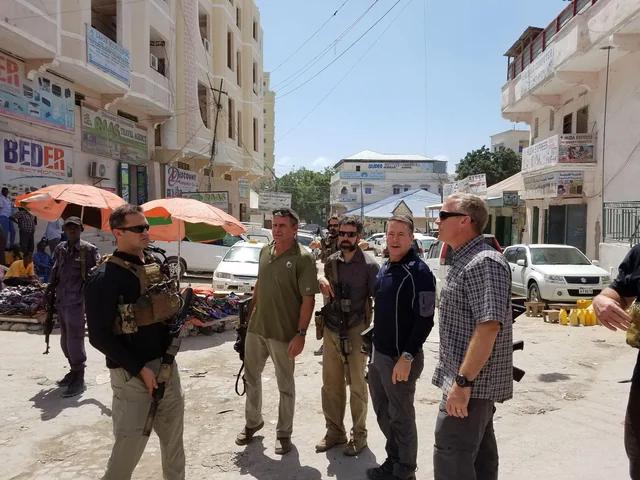
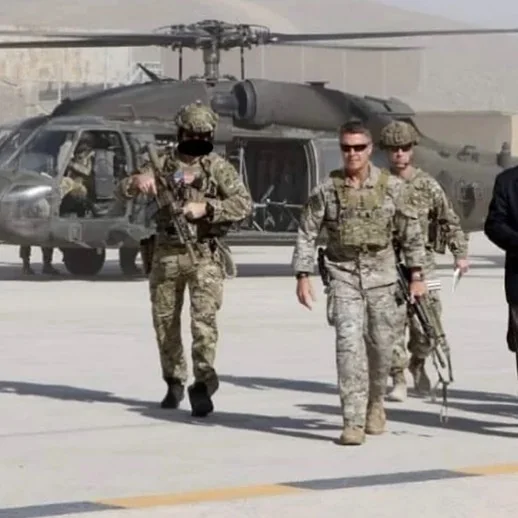
Even as a high-ranking commander, the practical gear of a Delta Force operator was preferred over pristine dress uniforms. A personal M4 carbine rifle was famously carried everywhere in Afghanistan, rather than sole reliance on a security detail.
Outside of the military, avid interests include outdoor pursuits and physical fitness. Time in the elite tier of special operations required peak physical conditioning to be maintained well into the late 50s. Enjoyment comes from functional fitness training, tactical shooting sports, and staying connected to the natural landscapes of the American West.
Since formal retirement from active duty in December 2021, a deliberate transition has been made into a quieter, private lifestyle centered on corporate leadership, advisory work, and philanthropy. Professional time is split between corporate boards such as the data software firm Striveworks and the defense collective Prairie Fire, and giving back to the military community. Service as a Senior Fellow at the Combating Terrorism Center at West Point involves directly mentoring young cadets and faculty members. An ambassador role is held with Shields and Stripes, and also a non-profit organization dedicated to the American people.